Field notes · Morocco · March 2024
Morocco, four days of ochre
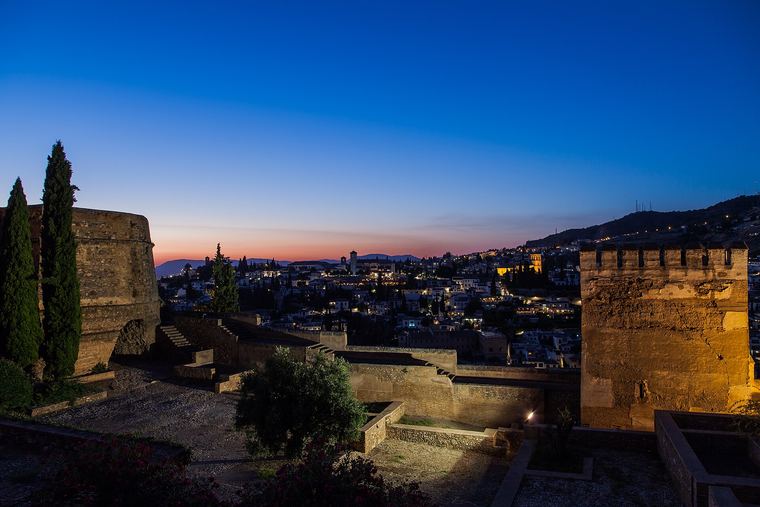
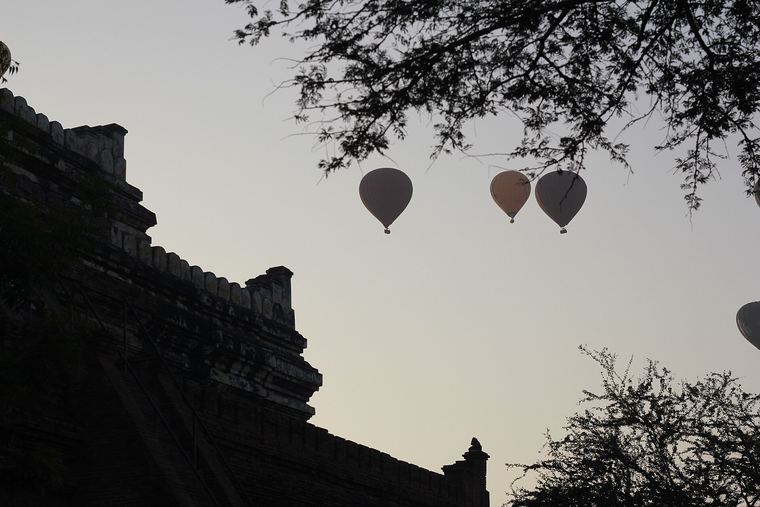
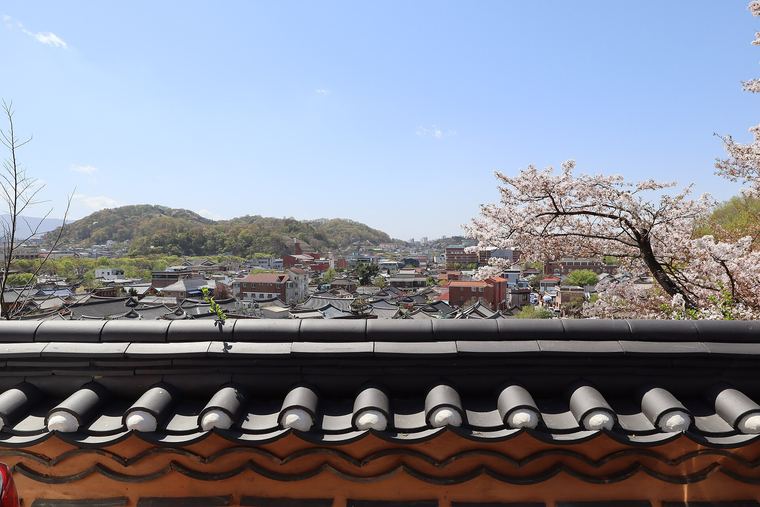
Marrakech, the kasbah at Aït Benhaddou and two nights under the dunes of Erg Chebbi — four days in the south, shot on a 5D Mark III and a phone.
Four days is not enough for Morocco, and exactly enough to understand why people keep going back. This was the shape of ours: one city, one kasbah, two nights of sand — and the light doing most of the work.
The route at a glance
Dates and stops from the March–April 2024 trip.- 01Marrakech29–30 March · The souks before the heat; Jemaa el-Fnaa at dusk.
- 02Aït Benhaddou30–31 March · Over the Tizi n'Tichka; the ksar from the riverbed at golden hour.
- 03Erg Chebbi (Merzouga)31 March – 2 April · Camels at sunset, a night in the dunes, sunrise from the ridge.
We landed late in Marrakech with a car booked for the morning and no plan beyond three names: Aït Benhaddou, Erg Chebbi, and the road between them. What follows is not a guide to Morocco. It is the record of four days in the south, in the order they happened, with the practical bits pulled out at the end where they are easier to find.
01Marrakech, before and after the heat
Marrakech is a city of two temperatures. Before eleven the souks are almost civil: shutters going up, a man hosing down the lane, orange blossom cutting through diesel. By two in the afternoon the walls hold the heat like a bread oven, and the only sensible thing is to sit in the shade of a riad courtyard and do nothing at all.
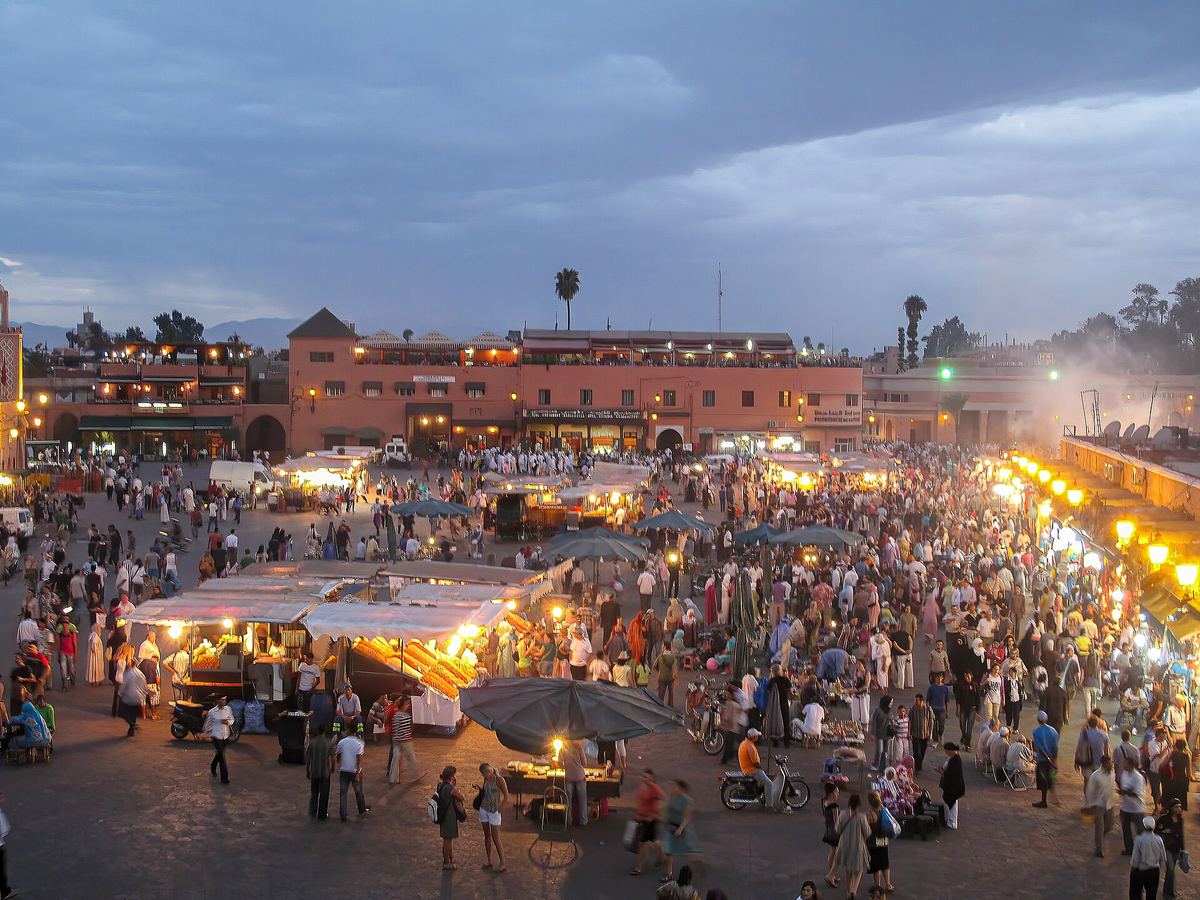
Then, at dusk, the city changes its mind. Jemaa el-Fnaa fills with smoke and sound, the food stalls light up one by one, and everyone — families, tourists, boys on scooters — walks in the same slow circle. We ate badly and stayed too late and would do both again.
02Over the Atlas, to Aït Benhaddou
The Tizi n'Tichka pass is the reason to leave early. The road climbs to a little over 2,200 metres and turns so often that the same village appears three times on three different slopes; barberry sellers stand at the hairpins with brass teapots, and the air goes cold and thin.
Aït Benhaddou appears all at once on the other side: a ksar of mud brick stacked against the hill, with the Atlas behind it. The famous view is from the riverbed at golden hour, when the whole village turns the colour of the earth it is made of. We walked up before dinner and had the top almost to ourselves.

You get about ten minutes of that light. Then it is dark, and the stars do the rest. Draft line — to be kept or replaced after review.
03Two nights in Erg Chebbi
You leave the car where the track gives up and go on by camel, an hour and a half into the dunes. Ours complained the entire way. The sand did not.
The photograph I wanted was the one at the top of this page: the line of camels on the ridge at sunset, small against a sky going from gold to blue. Then it is dark, and dinner, and a sky so full of stars that the children laugh out loud.
In the morning we climbed the ridge in the dark, barefoot because shoes fill instantly, and watched the sand turn from grey to gold. The dunes keep every footprint from the day before, which is either beautiful or a lesson, depending on your mood.
The gallery
Four frames from the road


04If you're going: the shape of the trip
Four days works if you accept the driving. Marrakech to Aït Benhaddou is about three and a half hours over the pass; Aït Benhaddou to Merzouga another four to five. Do the long legs in daylight, stop for tea, and don't try to add Fes to the same trip.
Sleep in three different places — a riad inside the Marrakech medina, a guesthouse below the ksar, a camp in the dunes. The last one is the point of the whole journey: book it directly and ask what time the camels leave.
All photographs on this page are from Justin's March–April 2024 trip, except the Marrakech frame in the gallery, which is a representative image licensed from Wikimedia Commons. The text is a first draft for review and will be edited with his own notes.